

A company doubles their ad budget and sees more clicks within days. Sales barely move. The problem is not always the campaign. Their landing page is unclear, conversion tracking misses qualified leads, and nobody follows up quickly. Spending more only sends extra traffic into the same weak system.
That is why the right marketing assets should come before a larger media budget. This guide explains the ten assets every business should own, what each one needs to contain, and how to check whether it is ready. You will also get a simple 20-point score to help you decide whether to raise your budget or fix the foundation first.
Why More Ad Spend Cannot Fix a Weak Marketing Foundation
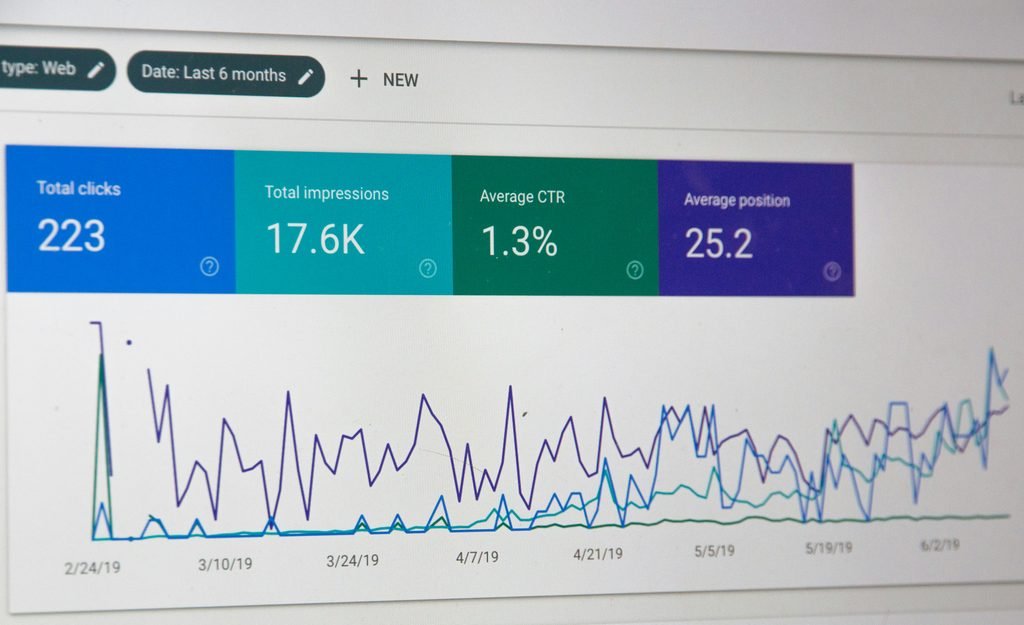
Buying more traffic can expose problems after the click
Paid ads can place your offer in front of more people. They cannot repair an unclear promise, a slow website, weak proof, broken tracking, or late follow-up. Look beyond click-through rate when judging paid advertising readiness. Ask what happens after the visitor arrives:
- Does the page match the ad’s promise?
- Can the visitor understand the offer within a few seconds?
- Does the form, checkout, or booking path work on mobile?
- Can you trace qualified leads and sales back to the right campaign?
- Does someone respond while the buyer is still interested?
If the answers are unclear, fix the weakest stage before raising spend.
What it means to own a marketing asset
Owning an asset means more than paying someone to create it. The business should have primary administrator access, historical data, editable source files, documented permissions, and the right to move it.
Check ownership of your domain, website, analytics property, tag manager, pixels, ad accounts, social pages, customer data, automations, creative files, and licensed media. A vendor can manage them, but the business should keep control.
The 10 Marketing Assets Every Business Should Own
- Ideal customer profile and research library
- Positioning, offer, and messaging guide
- Brand system and source-file library
- Conversion-ready website and search content foundation
- Dedicated offer and campaign landing pages
- First-party data, consent, and CRM foundation
- Conversion measurement and attribution plan
- Email, SMS, and sales follow-up system
- Customer proof and trust library
- Modular creative and video asset library
1. A Documented Ideal Customer Profile and Research Library
Ad targeting cannot replace direct customer knowledge. Your ideal customer profile should cover priority segments, needs, objections, buying triggers, search terms, interview notes, sales-call insights, and common reasons for lost deals. This library gives your advertising, copy, creative, and sales teams the same view of the buyer.
Ready when: Your team can name the priority customer, explain the problem in that customer’s words, and state who the offer is not for.
2. A Clear Positioning, Offer, and Messaging Guide
This guide sets out who the offer serves, the problem it solves, the promised result, key differences, proof points, approved claims, common objections, voice rules, and call-to-action language.
It is a working reference that helps every ad and landing page give buyers the same reason to choose the business.
Ready when: A new visitor can tell who the offer is for, what it helps them do, and why it is different within a few seconds.
3. A Complete Brand System and Source-File Library
A brand system keeps campaign materials consistent. Store logo versions, color and type rules, image guidance, templates, copy examples, usage rights, and editable source files in one known location. The business should also control their domain, ad accounts, analytics, pixels, and social pages. Give agencies user permissions instead of shared passwords or vendor-owned accounts.
Ready when: Your team can find, edit, and reuse approved files without rebuilding the brand for each campaign.
4. A Conversion-Ready Website and Search Content Foundation
Your website helps paid visitors judge the business and search engines understand it. Cover mobile speed, clear navigation, product or service pages, pricing or qualification details, FAQs, contact paths, privacy information, internal links, and relevant structured data.
For voice search, write concise answers to conversational questions, make local details clear, and use accessible headings. Google’s speakable markup remains tied mainly to eligible news content, so it is not a general business tactic.
Ready when: The site loads properly, answers high-intent questions, supports one clear next step, and can be measured.
5. Dedicated Offer and Campaign Landing Pages
A focused landing page should serve one audience, explain one offer, and lead to one main action. Sending every campaign to the homepage weakens message match and makes testing harder. Include a message-matched headline, benefits, proof, objection handling, a working form or checkout, a privacy notice, and a clear mobile layout.
Ready when: The ad promise matches the page, the page works on mobile, tracking fires correctly, and the team has a test plan.
6. A First-Party Data, Consent, and CRM Foundation
First-party data comes directly from people who interact with your business. It can include lead source, email preferences, segment, lifecycle stage, consent status, and sales outcome. Keep rules for what you collect, why you collect it, where it is stored, and which channels may use it. Do not assume all third-party cookies will disappear on one date. Chrome continues to give users a choice through their privacy settings.
Ready when: Your team can trace consent, access clean customer records, and use those records only for approved purposes.
7. A Conversion Measurement and Attribution Plan
Define a valuable result before asking an ad platform to find more of it. Set primary and secondary conversions, values, UTMs, call tracking, offline imports, dashboards, and quality checks.
Test every event, remove duplicates, and return sales outcomes to the advertising system when appropriate. Google says enhanced conversions can improve measurement through hashed first-party customer data.
Ready when: Test conversions fire once, values are correct, reports are close enough for decisions, and qualified outcomes can be separated from weak leads.
8. An Email, SMS, and Sales Follow-Up System
Paid leads lose value when nobody responds. Build a marketing automation workflow with a welcome sequence, lead routing, response alerts, abandoned-form or cart follow-up, suppression rules, and handoff notes.
AI can draft variations, sort leads, and trigger approved messages. Keep human review and consent. Personalize around known behavior, segment, and lifecycle stage.
Ready when: New leads receive a relevant response quickly, each lead has an owner, and the team can measure movement from lead to opportunity or sale.
9. A Customer Proof and Trust Library
Proof reduces buyer risk. Build a searchable library of verified reviews, testimonials, case studies, certifications, guarantees, security information, and approved before-and-after evidence. Match each proof asset to an offer, objection, and stage of the buyer journey. Don’t use one broad testimonial everywhere just because it is available.
Ready when: Proof is specific, current, legally usable, and available in both short and detailed formats.
10. A Modular Creative and Video Asset Library
Strong video marketing needs more than one clip resized for every platform. Store original photos, demos, expert clips, customer stories, hook variations, thumbnails, captions, and several CTA endings. Create vertical, square, and landscape options. AI-assisted tools can adapt creative, but they still need original inputs, approved claims, consent, licensing records, and human review.
Ready when: Files are named, tagged, editable, linked to performance results, and varied enough to test different messages and formats.
How New Marketing Conditions Change the Asset Checklist

The ten assets remain useful as platforms change. What changes is how you build and test them.
| Condition | Assets affected | What to check |
|---|---|---|
| AI and automation | Messaging, measurement, follow-up, creative | Clean conversion goals, approved claims, useful inputs, and human review |
| Data privacy | First-party data and measurement | Clear consent, data records, channel permissions, and accurate tracking |
| Voice search | Website and search content | Conversational answers, local intent, clear entities, and accessible headings |
| Video marketing | Proof and creative | Several hooks, lengths, aspect ratios, captions, and usage rights |
| Hyper-personalization | Data and follow-up | Consented segments, known behavior, lifecycle stage, and explainable rules |
Automation should work from reliable data. Personalization should help without becoming invasive. Video should contain real proof, not just more output.
Use This Ad-Readiness Audit Before Increasing the Budget
Score each asset from 0 to 2
Give each of the ten assets a score:
- 0: Missing or controlled entirely by a vendor.
- 1: Present but incomplete, disconnected, untested, or hard to move.
- 2: Owned, connected, documented, tested, and producing usable data.
Your total is an internal decision tool, not an industry benchmark:
- 0-9: Keep the budget steady. Fix the foundation first.
- 10-15: Limit increases while you repair the weakest assets.
- 16-20: Raise spend in controlled steps and watch the full funnel.
Record the owner, last test date, gap, and next action. Download the 10-Asset Ad-Readiness Checklist to run the review with your team.
Fix the weakest point in the funnel first
High click-through with low page conversion points to the offer, message match, page, or form. Strong lead volume with few qualified opportunities points to targeting, qualification, or follow-up. Reliable sales with little creative volume points to a need for more formats.
Choose the largest verified leak. Do not rebuild every asset at once.
Raise spend in controlled steps
Increase the budget only when conversion quality, sales capacity, customer economics, and measurement support it. A cheaper lead is not progress if close rate and customer value fall. No single budget increase suits every business. Your pace should follow the quality of the evidence.
Frequently Asked Questions
What is a marketing asset?
A marketing asset is an owned file, page, system, data set, content item, or process used to attract, convert, follow up with, or retain customers. Examples include a website, customer research, landing pages, CRM records, tracking plans, email workflows, and creative files.
Which marketing assets should a small business build first?
Start with an ideal customer profile, a clear offer and messaging guide, a conversion-ready page, tracking, and follow-up. These business marketing assets cover the path from click to qualified lead or sale.
Do I need a landing page before running ads?
Most focused campaigns need a dedicated landing page that matches one ad, audience, offer, and action. A strong product or service page may be enough when it meets the same standard and has no competing paths.
Can AI create these marketing assets?
AI can help with drafts, variations, tagging, and automation. It cannot replace customer research, account ownership, consent, accurate conversion records, or claim approval. Treat AI as a production aid.
What should a business own when working with a marketing agency?
The business should own their domain, website, ad accounts, social pages, analytics, tracking containers, customer data, source files, and primary admin access. Give the agency user permissions and document how access will be returned.
Build Your Marketing Assets Before You Increase Ad Spend
More traffic helps when the business can explain the offer, convert the visit, measure the result, follow up, and retain control of their data and files. Review these ten marketing assets, score each one, and repair the weakest point before raising your budget.
Start with the 10-Asset Ad-Readiness Checklist. If the gaps span your website, tracking, messaging, and follow-up systems, book a marketing asset and paid-media readiness audit with TORTH Marketing to decide what to fix first.