
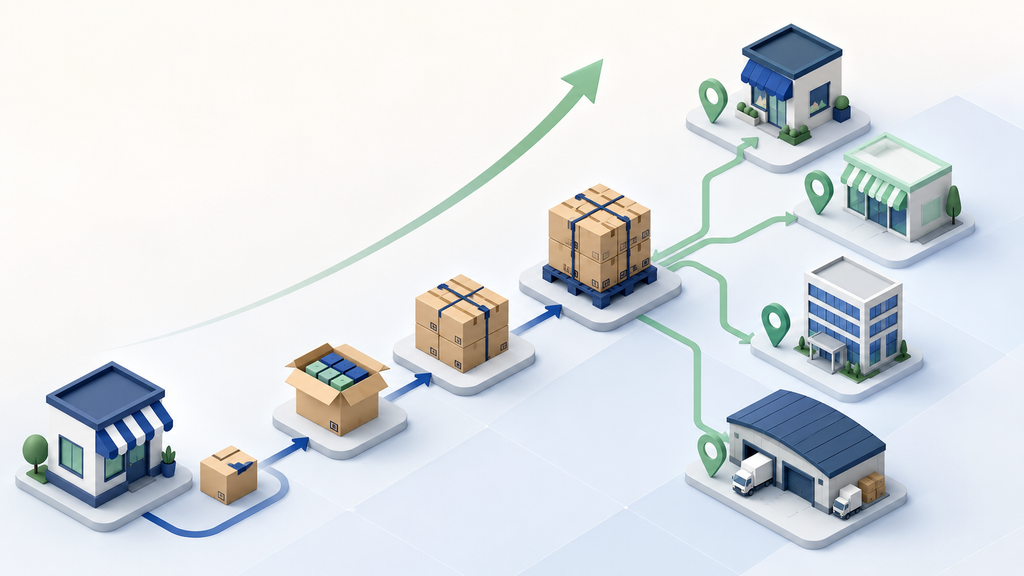
If you have a DTC skincare brand that sells one bottle at a time on their eCommerce store, a regional boutique then asks to buy 120 bottles at a wholesale rate, with net-30 terms and a lower unit price for larger orders. The brand once might have managed that request through spreadsheets, invoices, a Shopify wholesale app, or another storefront. Shopify B2B for DTC brands now supports this B2B eCommerce path inside the same platform through company accounts, custom catalogs, volume pricing, and payment terms. Wholesale is no longer reserved for large Shopify Plus merchants. The 2026 changes give smaller DTC brands a practical way to test business sales without replacing their consumer store. Still, a sound DTC wholesale strategy needs suitable margins, dependable inventory, clear ordering rules, and content written for business buyers.
Shopify B2B Is No Longer Just a Shopify Plus Feature
Shopify first built its native B2B tools around Plus. The 2026 rollout moved many core functions to Basic, Grow, and Advanced, opening Shopify wholesale to brands that are not ready for an enterprise contract.
What changed in 2026
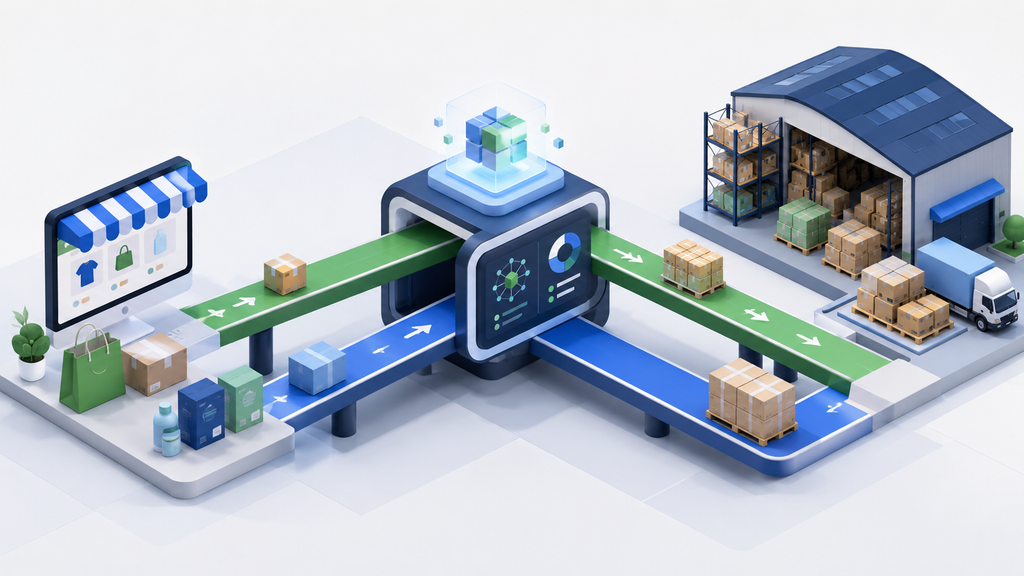
On April 2, 2026, Shopify announced that foundational B2B features would reach Basic, Grow, and Advanced plans at no extra platform charge. The change, also featured in the Shopify Spring ’26 Edition, removed a major entry barrier for merchants who wanted company accounts and wholesale pricing without Shopify Plus.
In June, Shopify enabled B2B discounts by default for new B2B stores and eligible existing stores. Merchants no longer need support to activate automatic discounts or codes. They should still review eligibility because an offer set to “all customers” may reach both B2B and DTC orders unless assigned to the right market.
B2B features now available on lower Shopify plans
Basic, Grow, and Advanced merchants can create companies and locations, set buyer permissions, offer net terms, vault cards, and support self-serve ordering. Purchase order numbers, reorders, draft-order workflows, payment reminders, quantity rules, and price breaks are also available.
Lower-plan merchants can assign up to three active catalogs across all B2B markets. The store must use the new Shopify Markets setup, and each catalog can control product access and prices for a buyer group. Shopify B2B pricing now begins with an existing eligible plan rather than a required Plus upgrade. Total costs may still include payment processing, apps, themes, custom work, or connections to other business systems.
What remains exclusive to Shopify Plus
Plus still matters when a wholesale program needs customer-level control. Plus merchants can create unlimited B2B market catalogs and assign catalogs directly to a company or location. Lower-plan stores assign their limited catalogs through Markets, which is less useful when many accounts have negotiated prices.
Deposit requirements, partial payments, and payment requests for each fulfillment also remain Plus-only. Advanced and Plus support contextual storefront and checkout experiences through Markets. Consider Plus when a few shared buyer groups can no longer cover the brand’s catalogs, contracts, pricing, and payment needs.
Why DTC Brands Should Consider B2B Sales
A wholesale channel should solve a business problem. Strong candidates have repeatable products, enough margin for wholesale pricing, steady production, and signs that retailers or organizations want the range.
Adding wholesale without building another store
A blended Shopify store can serve consumers and approved business buyers from one admin. Products, inventory, orders, and customer records stay in a shared system while B2B buyers sign in to view assigned catalogs, prices, and terms. This can reduce duplicate updates and overselling across disconnected stores.
One storefront does not mean one message. Consumers may want benefits, reviews, bundles, and quick checkout. Retail buyers need margins, minimums, pack sizes, delivery timing, and confidence that the product will sell.
Selling to retailers, distributors, and corporate buyers
A boutique may test a few bestsellers and reorder monthly. A distributor may ask for deeper discounts, territory terms, and dependable supply across a wider catalog. A corporate buyer may need branded gifts, formal quotes, tax documents, purchase order support, and delivery to several locations.
Company profiles record contacts, tax settings, payment terms, shipping details, and checkout preferences. The offer still needs to fit the account type. Treating every buyer as “wholesale” can create weak pricing and unclear service terms.
Creating another path for inventory movement
Wholesale moves larger quantities in fewer transactions. It can help a brand plan production, sell case packs of steady products, or place slower-moving items with retailers whose customers differ from the DTC audience.
The goal is controlled inventory movement, not routine discounting. Catalog rules can keep selected products out of wholesale, while quantity limits and price breaks shape order size. Before launch, model product cost, freight, packaging, commissions, returns, payment delays, and the margin left at each tier.
How Shopify B2B Works
Shopify B2B uses linked features. Companies identify the buyer, catalogs decide what they can purchase, quantity settings control order size, and payment rules determine when an order is paid.
Company profiles
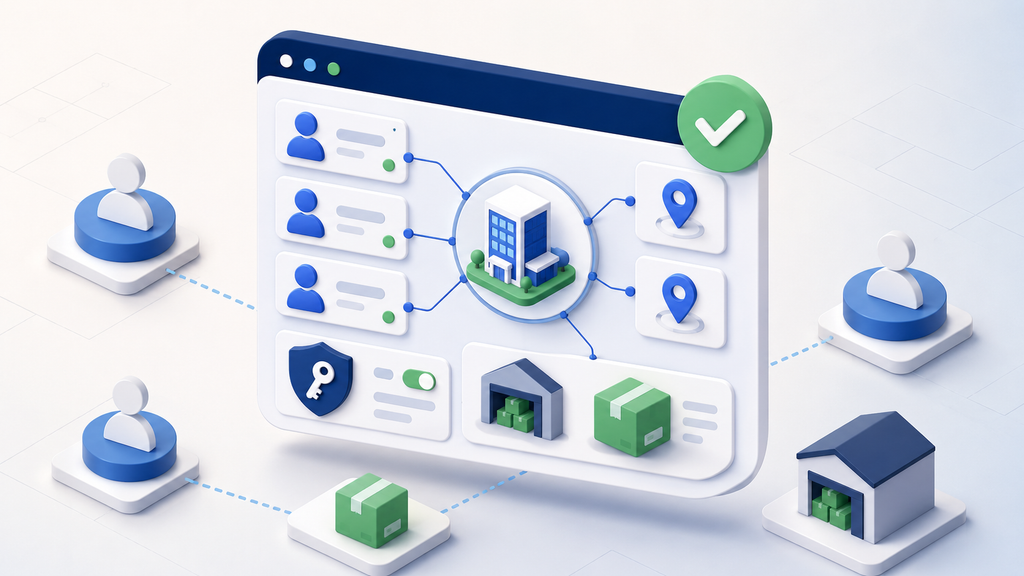
A company record represents a B2B customer and can contain several locations and contacts. Each location may need different shipping addresses, tax treatment, buyers, and ordering permissions. Merchants can assign roles such as location administrator or ordering-only access. Company account requests collect applications from interested buyers. Approved contacts sign in to see business pricing, place orders, check history, and reorder past purchases.
Custom B2B catalogs
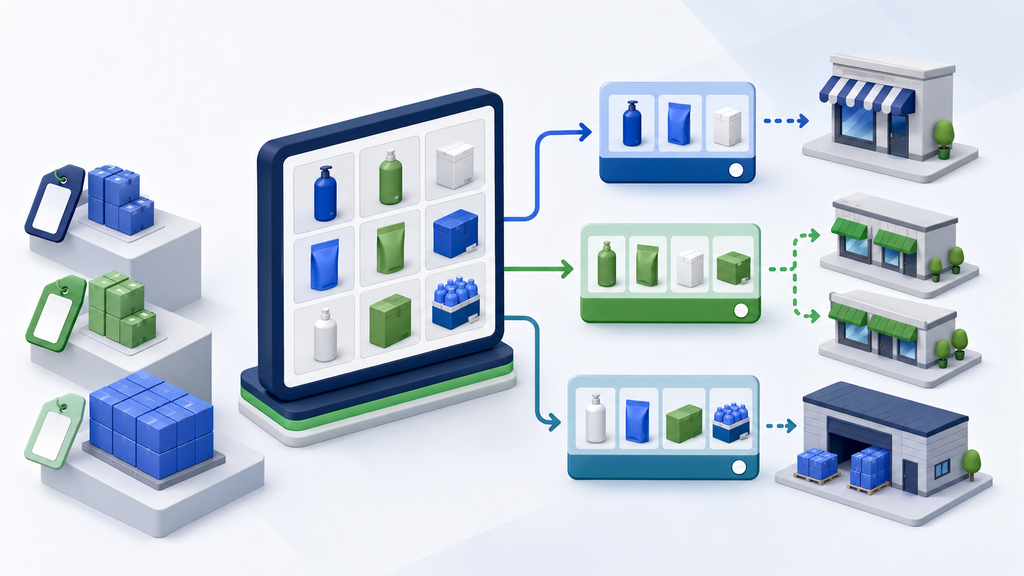
Catalogs control product availability and pricing. A brand could give retailers access to core products, reserve large case packs for distributors, and offer a smaller gift range to corporate accounts. Prices can be fixed amounts or adjustments from standard pricing.
Lower plans assign catalogs through B2B markets and allow three active catalogs across them. Shopify Plus offers unlimited market catalogs and direct assignment to companies or locations. Plan the structure before adding many accounts.
Volume pricing and quantity rules
Volume pricing lowers the unit price at set breaks, such as 12, 24, or 48 units. Quantity rules set the minimum, maximum, and ordering increment for a variant. Together, they can enforce case packs and protect wholesale economics. Explain these rules before checkout. If a buyer must order in cases of six or meet a catalog minimum, state it early. Hidden limits create abandoned carts and extra sales emails.
Payment terms and vaulted cards
Shopify supports due-on-receipt, due-on-fulfillment, and net terms from 7 to 90 days. Merchants can invoice from draft orders and send payment reminders as due dates approach.
Vaulted cards let buyers save a card at the company-location level for later checkout or staff-assisted orders. Credit decisions still belong to the seller. Set approval steps, account limits, overdue-order rules, and collection responsibility before offering net terms.
B2B discounts
Shopify supports automatic discounts and codes targeted to B2B markets. A merchant might run a seasonal case discount, new-account offer, or regional promotion without showing the same deal to consumers. The June 2026 default activation cuts setup work, but eligibility needs review. Assign the correct B2B company-location market or consumer region so a broad offer does not reach an audience it was not priced for.
How Your Website Content Needs to Change for B2B Buyers

Account tools are not enough. Wholesale content should help buyers qualify the range, build a margin case, and place an informed order.
Wholesale landing pages
A wholesale landing page should identify who the program serves and what happens next. State accepted account types, available categories, ordering method, approval process, typical lead time, and why a retailer may want the range. Include a clear application or sign-in path. Search copy can use phrases such as Shopify wholesale, wholesale supplier, retail stockist, or corporate ordering where they fit. The page must remain a useful sales resource, not a collection of repeated keywords.
Product and catalog copy
B2B product copy needs commercial facts consumer descriptions often omit. Buyers may look for case pack size, dimensions, materials, shelf life, origin, compliance details, suggested retail price, lead time, and merchandising support. Images may need packaging shots and display examples.
Keep the brand story, but connect it to resale. Explain who the product suits, what job it does on the shelf, and how variants fit together as an opening order.
Minimum-order and volume-pricing information
Buyers should not reach checkout before discovering a minimum quantity, minimum spend, pack increment, or freight threshold. Place the rule near the product, catalog, or account page and repeat the same wording in sales documents.
Pricing may remain behind login when public display could upset retail partners or conflict with agreements. The public page can still explain that approved accounts receive business pricing, quantity breaks, and assigned catalogs.
B2B FAQs
A focused FAQ can cut repeated questions without becoming a policy manual. Cover account eligibility, approval time, opening orders, reorders, samples, lead times, shipping, payment terms, returns, tax documents, product images, and territory requests. Answers should match Shopify settings and the sales process.
When minimums or fulfillment times change, update the landing page, FAQ, email templates, and sales materials together. Conflicting answers weaken trust with buyers planning stock and cash flow.
DTC Marketing and B2B Marketing Are Not the Same
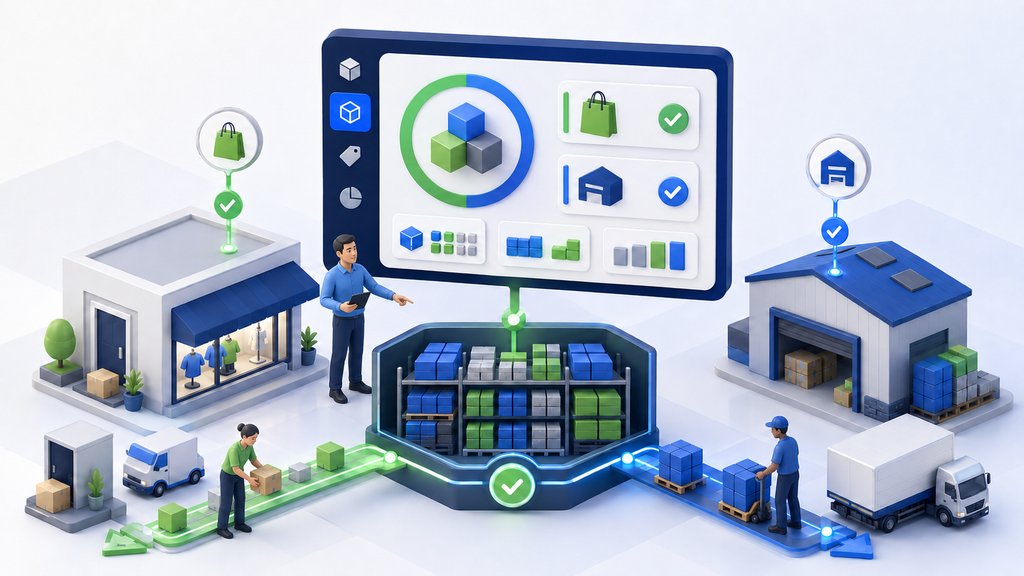
DTC marketing may turn one person’s interest into a quick purchase. B2B marketing helps an organization judge demand, margin, supply risk, and the working relationship.
Different buyer motivations
Consumers may buy because they like a style, trust a creator, or need a solution. Business buyers ask whether the item fits their customers, earns enough margin, arrives on time, and can be reordered. Distributors may also study territory rights and channel conflict.
Wholesale content should respond with proof such as bestsellers, reorder patterns, retailer feedback, product testing, merchandising assets, and supply timelines. Claims should be specific enough for an internal recommendation.
Longer purchase decisions
A consumer may decide in minutes. A B2B purchase can involve a store owner, category manager, finance contact, legal reviewer, or procurement team. Samples, vendor forms, tax records, and approvals can extend the process.
Content should support each stage. An overview creates interest, a sell sheet supports review, a sample program reduces product risk, and a clear catalog helps the buyer prepare an order. Follow-up should match the expected decision period.
Email marketing for wholesale buyers
Wholesale buyers need their own email path. Approval messages should explain sign-in, assigned catalogs, payment terms, and ordering rules. Later campaigns can cover new products, seasonal deadlines, merchandising material, restock reminders, and account reactivation.
Consumer promotions should not automatically go to wholesale contacts. Segment buyers by company type, region, status, purchase history, and sales owner. Measure applications, approvals, first orders, reorder rate, average order size, and overdue invoices separately from DTC results.
Building a DTC + B2B Shopify Content Strategy
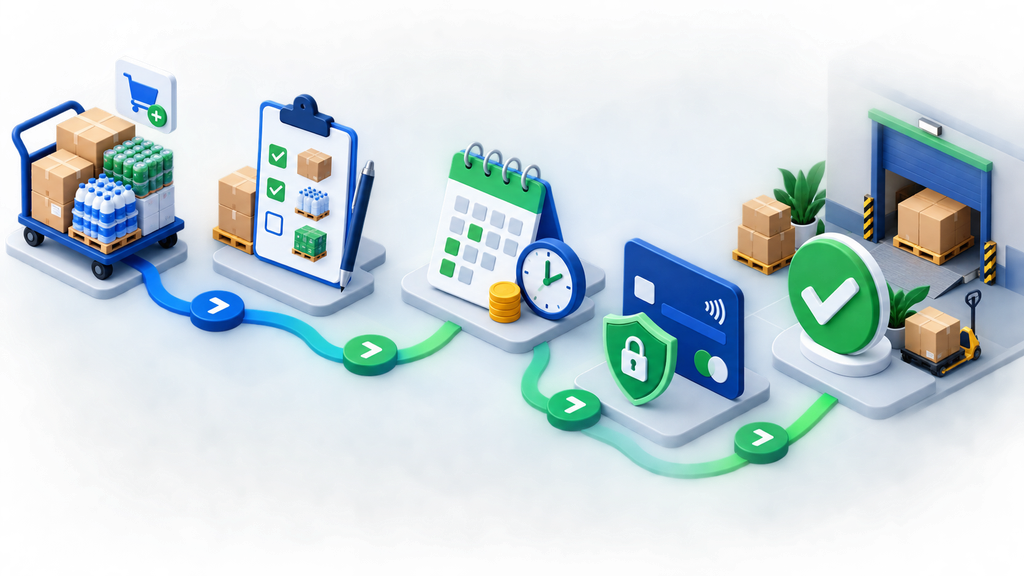
A combined content strategy starts with two journeys inside one brand. Keep the consumer path focused on discovery and personal use. Give business buyers a visible Wholesale or Trade entry point leading to program details, an application, sign-in, and ordering content.
Map each buyer question to a page or message. Public content can explain product fit, application rules, and general order expectations. Logged-in content can carry assigned prices, catalogs, account terms, and reorder tools. Sales emails and downloadable documents should use the same product facts and policies as the store.
The SEO plan also needs separation. Consumer pages can target product needs and shopping terms. Wholesale pages can address retail supply, distributor, corporate order, and B2B eCommerce searches. Use Shopify B2B for DTC brands where the page discusses the platform and business model. Support it with terms such as DTC wholesale strategy and Shopify B2B pricing without forcing them into every section.
Start with a small account group and limited catalog. Watch approval-to-order rate, gross margin after fulfillment costs, average order value, reorder timing, payment delays, and staff workload. The figures will show whether the channel creates healthy sales or only shifts products at a lower margin.
If retailers are already asking to carry the brand, inventory can support larger orders, and the unit economics work, Shopify’s lower-plan B2B tools offer a reasonable test. Brands with many negotiated catalogs, account-specific prices, deposits, or partial-payment needs may reach the limits faster and should compare Plus with manual work and third-party tools.